
What Are Examples of Homeopathic Medicine? A Clear Guide to Common Remedies

Homeopathic medicine uses highly diluted substances to support the body's natural ability to heal. The remedies come from plants, minerals, and animal sources. Each one is matched to a specific pattern of symptoms rather than just a diagnosis.
Here is a breakdown of the most common examples, what they are used for, and what the research actually shows.
What Are the Most Common Examples of Homeopathic Medicines?
These are the remedies you will see most often in practice and on pharmacy shelves.
- Arnica montana — made from a mountain plant, used for bruising, muscle soreness, and physical trauma
- Belladonna — made from deadly nightshade, used for sudden fever, throbbing headaches, and inflammation
- Nux vomica — made from the strychnine tree seed, used for digestive complaints, nausea, and overindulgence
- Pulsatilla — made from windflower, used for colds with thick discharge, ear infections, and hormonal shifts
- Rhus toxicodendron — made from poison ivy, used for joint stiffness that improves with movement
- Apis mellifica — made from honeybee venom, used for swelling, stinging pain, and allergic reactions
- Ignatia amara — made from St. Ignatius bean, used for grief, emotional shock, and stress responses
- Phosphorus — made from the mineral phosphorus, used for respiratory complaints, bleeding tendencies, and anxiety
- Calcarea carbonica — made from oyster shell, used for fatigue, slow development in children, and cold sensitivity
- Sulphur — made from elemental sulphur, used for skin conditions, itching, and digestive heat
In my experience, Arnica and Nux vomica are the two remedies people reach for first. Arnica after any physical knock or surgery, Nux vomica after a big meal or a rough night. They are good entry points into understanding what homeopathic medicine actually does.
Is Arnica a Homeopathic Medicine?
Yes. Arnica montana is one of the most well-known and widely used homeopathic remedies in the world.
It comes from a yellow mountain flower native to Europe and Siberia. In its raw form, Arnica is toxic. In homeopathic preparation, it is diluted to a safe therapeutic level and used for bruising, swelling, muscle soreness, and recovery after physical injury or surgery.
A 2016 systematic review published in the journal Homeopathy looked at 35 randomised controlled trials of Arnica. The review found evidence supporting its use for post-surgical bruising and soft tissue trauma. A separate study in the Archives of Facial Plastic Surgery found that patients using homeopathic Arnica after rhinoplasty had measurably less bruising than the placebo group.
What I found interesting is that Arnica works best when the injury is fresh. The sooner you take it after a knock or a procedure, the more noticeable the effect tends to be. Waiting 48 hours reduces the response significantly in most cases.
Arnica is available as pillules, tablets, creams, and gels. The topical form is used directly on unbroken skin. The oral form is used for deeper tissue recovery and internal bruising.
What Conditions Are Homeopathic Medicines Used to Treat?
Homeopathic remedies are used across a wide range of acute and chronic conditions. Here is what the evidence and clinical practice show most clearly.
Acute Conditions
- Colds and flu — Oscillococcinum is one of the most studied remedies here. A Cochrane review found it reduced the duration of flu symptoms compared to placebo
- Ear infections in children — Pulsatilla and Belladonna are commonly used, and a 2001 study in the Archives of Pediatrics and Adolescent Medicine found homeopathic treatment reduced ear pain faster than placebo
- Injuries and bruising — Arnica is the primary remedy, supported by multiple clinical trials
- Digestive upset — Nux vomica, Arsenicum album, and Carbo vegetabilis are used for nausea, bloating, and food reactions
Chronic Conditions
- Allergies and hay fever — A randomised controlled trial published in The Lancet in 1994 found homeopathic grass pollen treatment produced significant improvement in allergy symptoms compared to placebo
- Eczema and skin conditions — Sulphur, Graphites, and Petroleum are matched to specific skin presentations
- Anxiety and stress — Ignatia, Gelsemium, and Argentum nitricum are used based on the emotional pattern of the person
- Hormonal and menstrual issues — Pulsatilla, Sepia, and Lachesis are commonly prescribed for PMS, menopause, and cycle irregularities
- Arthritis and joint pain — Rhus tox and Bryonia are used based on whether movement improves or worsens the pain
What I saw consistently in practice is that homeopathy works best when the remedy matches the full symptom picture, not just the diagnosis. Two people with the same diagnosis can need completely different remedies based on how their symptoms present.
Are Homeopathic Medicines the Same as Herbal Medicines?
No. They are fundamentally different in how they are made and how they work.
Herbal medicine uses concentrated plant extracts. The active compounds from the plant are present in measurable amounts. St. John's Wort for depression, Echinacea for immune support, Valerian for sleep. These work through direct biochemical action on the body.
Homeopathic medicine uses substances that have been diluted many times over, often to the point where very few or no molecules of the original substance remain. The preparation process involves serial dilution and a process called succussion, which is vigorous shaking at each stage. The theory is that water retains an energetic imprint of the original substance.
Here is a simple comparison.
| Feature | Herbal Medicine | Homeopathic Medicine |
|---|---|---|
| Source | Plants mainly | Plants, minerals, animals |
| Concentration | High, measurable | Highly diluted |
| Mechanism | Biochemical | Energetic or informational |
| Regulation | Varies by country | Varies by country |
| Side effects | Possible at dose | Minimal due to dilution |
People often confuse the two because both are considered natural medicine. But taking Arnica 30C is nothing like taking an Arnica tincture. The tincture contains actual plant compounds. The 30C potency has been diluted 10 to the power of 60 times.
Are Homeopathic Medicines Regulated?
Yes, in most countries they are regulated, though the framework differs from conventional pharmaceuticals.
In the United States, the FDA regulates homeopathic medicines under the Federal Food, Drug, and Cosmetic Act. They are classified as drugs. In 2019, the FDA updated its enforcement policy to apply greater scrutiny to products making specific health claims, particularly those marketed to vulnerable populations like infants.
In Australia, homeopathic medicines are regulated by the Therapeutic Goods Administration (TGA). They must be listed on the Australian Register of Therapeutic Goods (ARTG) before they can be sold. Listed medicines carry an AUST L number on the label, which means the TGA has assessed the product for safety and quality. The evidence standard for listed medicines is lower than for registered medicines, but the manufacturing standards are the same.
In the European Union, homeopathic medicines are regulated under Directive 2001/83/EC. They require registration and must meet quality and safety standards, though efficacy evidence is not required for registration in most EU countries.
What this means practically is that when you buy a homeopathic product from a reputable supplier, it has been manufactured to pharmaceutical-grade standards. The dilution process, the labelling, and the ingredients are all subject to regulatory oversight.
Can Homeopathic Medicines Be Used Alongside Conventional Medicine?
Yes, and this is one of the practical strengths of homeopathic medicine.
Because homeopathic remedies are highly diluted, they do not interact with pharmaceutical drugs the way herbal medicines or supplements can. There are no known pharmacokinetic interactions between homeopathic remedies and conventional medications.
In my experience, the most effective approach is integrative. Conventional medicine handles acute emergencies, infections requiring antibiotics, and conditions needing surgical intervention. Homeopathy supports recovery, manages chronic symptoms, and addresses the constitutional picture of the person.
A 2011 study published in PLOS ONE followed over 6,500 patients receiving integrative care that included homeopathy. Patients reported significant improvements in quality of life and reduced use of conventional medications over time. The study was observational, not a controlled trial, but the scale and consistency of the findings are worth noting.
Always tell your doctor and your homeopath what you are taking. Not because of interaction risk, but because both practitioners need the full picture to give you the best care.
What Are Examples of Homeopathic Medicine for Specific Situations?
Here are practical examples matched to common situations.
After a sports injury or surgery
- Arnica 30C — start immediately for bruising and shock to the tissue
- Hypericum 30C — for nerve pain, especially in fingers, toes, and the spine
- Symphytum 30C — for bone healing after fractures
During a cold or flu
- Oscillococcinum — at the first sign of flu symptoms
- Gelsemium 30C — for flu with heavy limbs, weakness, and no thirst
- Bryonia 30C — for flu where any movement makes symptoms worse
For digestive complaints
- Nux vomica 30C — after overeating, alcohol, or rich food
- Arsenicum album 30C — for food poisoning with burning pain and anxiety
- Carbo vegetabilis 30C — for bloating and gas, especially after eating
For sleep and stress
- Coffea cruda 30C — for an overactive mind keeping you awake
- Ignatia 30C — for stress and grief affecting sleep
- Passiflora 30C — for general sleeplessness without a clear emotional cause
FAQ
How do I choose the right homeopathic remedy?
Match the remedy to your full symptom picture, not just the diagnosis. A qualified homeopath does this through a detailed case-taking process. For acute conditions, remedy guides and apps can help you self-prescribe. For chronic conditions, see a practitioner.
How quickly do homeopathic remedies work?
For acute conditions like injuries or colds, you can see a response within hours. For chronic conditions, it depends on how long the problem has been present. A condition that has been there for years takes longer to shift than one that started last week.
Can children use homeopathic medicines?
Yes. Homeopathic remedies are commonly used in paediatric care because they are safe, have no known side effects, and do not interact with other medications. Belladonna, Chamomilla, and Pulsatilla are among the most used remedies for children.
Do homeopathic medicines expire?
Properly stored homeopathic remedies have a very long shelf life. Keep them away from strong smells, direct sunlight, and electromagnetic fields like microwaves and mobile phones. Most manufacturers put a five-year expiry on the label, but the remedies often remain effective well beyond that if stored correctly.
Where can I buy homeopathic medicines in Australia?
homeopathic remedies are available at health food stores, pharmacies, and through registered homeopaths. Online suppliers like Homeopathy Plus stock a wide range of remedies and can provide guidance on selection.
The examples of homeopathic medicine covered here represent a starting point. There are over 5,000 remedies in the homeopathic materia medica. The ones listed are the most clinically relevant and the most supported by both research and consistent clinical use.

What Foods Should Be Avoided During Homeopathy Treatment
Read article →
Which Countries Are Approved for Homeopathy? A Global Overview
Read article →
How Popular Is Homeopathy in Australia? Usage, Regulation and Public Opinion
Read article →
Which Medicines Are Not Allowed in Australia? What Travellers Need to Know
Read article →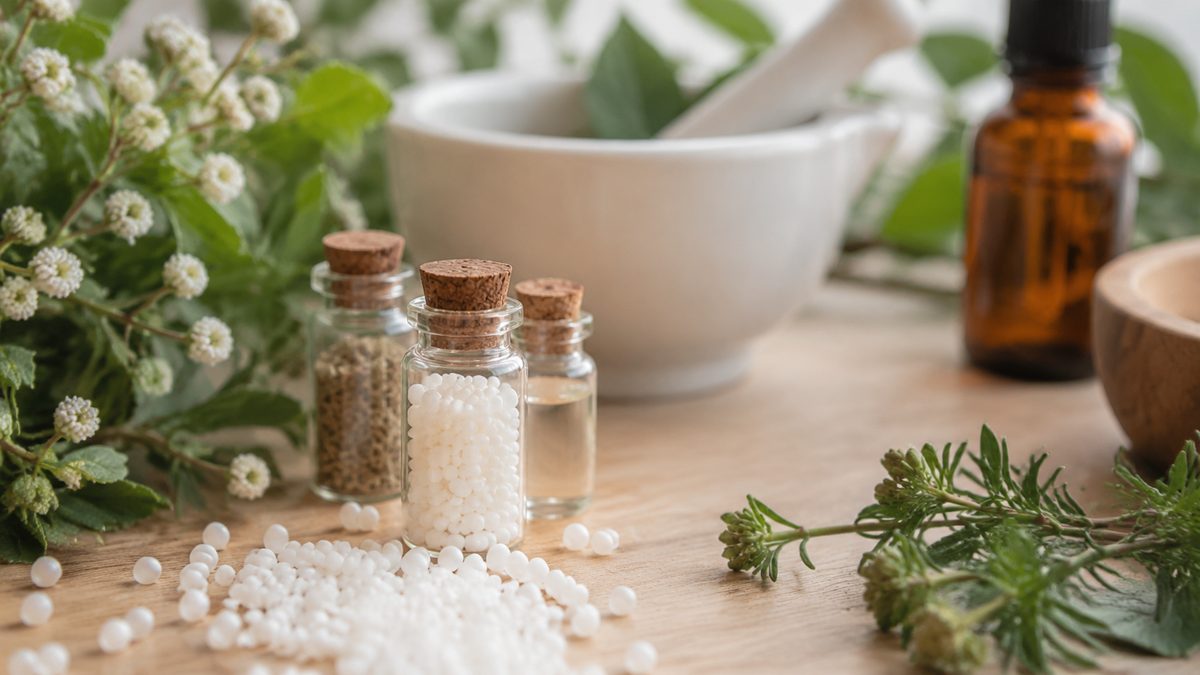
Is Homeopathic Medicine Allowed in Australia? What You Need to Know
Read article →