
Is Homeopathic Medicine Allowed in Australia? What You Need to Know
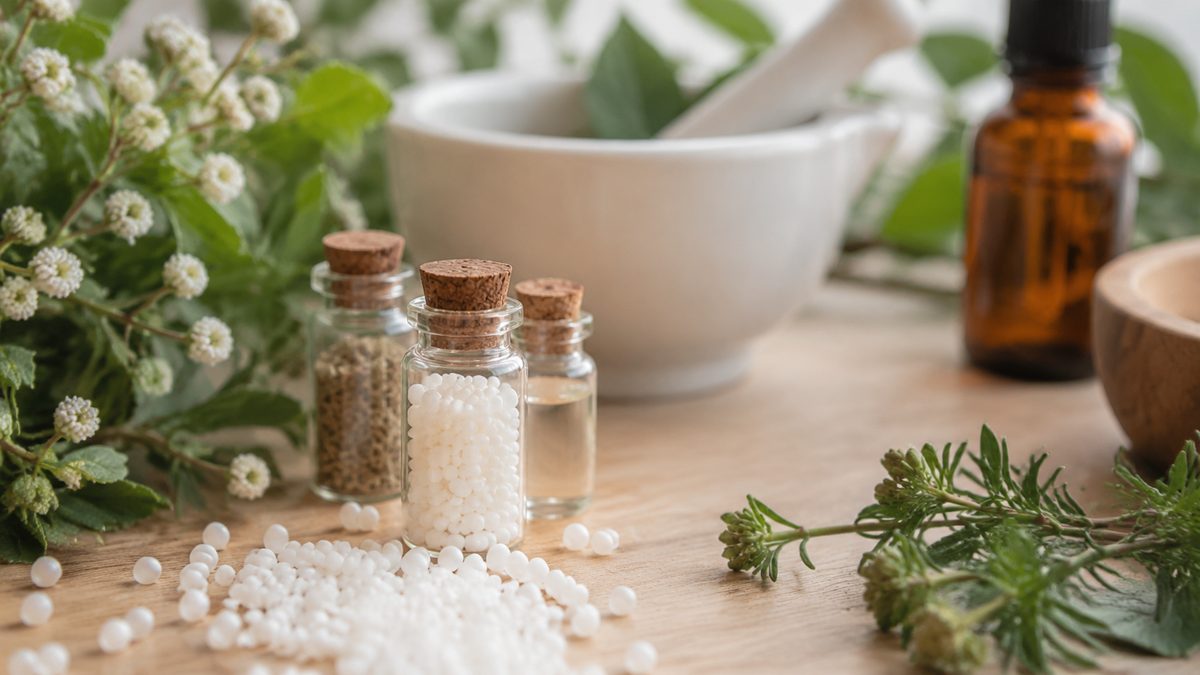
Yes, homeopathic medicine is allowed in Australia. You can buy homeopathic products, see a homeopathic practitioner, and use these remedies legally. There is no ban. There is no restriction that stops you from accessing homeopathy.
What does exist is a regulatory framework. The Therapeutic Goods Administration (TGA) oversees how homeopathic products are made, labelled, and sold. That framework shapes what you can buy and what claims a product can make, but it does not make homeopathy illegal.
Here is a clear breakdown of how it all works.
Is Homeopathic Medicine Legal in Australia?
Homeopathic medicine is fully legal in Australia. Practitioners can operate, products can be sold, and people can use them without any legal issue.
The legal status sits under the Therapeutic Goods Act 1989. This law governs all therapeutic goods in Australia, including pharmaceutical drugs, vitamins, herbal products, and homeopathic remedies. Homeopathic products fall into the category of complementary medicines and are regulated accordingly.
In my experience, the confusion around legality usually comes from people mixing up two different things. Regulatory scrutiny is not the same as a ban. The TGA has reviewed homeopathy, asked hard questions about evidence, and still kept it within the legal framework for complementary medicines.
What Does the TGA Say About Homeopathic Medicine?
The TGA classifies most homeopathic products as listed medicines on the Australian Register of Therapeutic Goods (ARTG). A listed medicine gets an AUST L number on its label. This means the TGA has assessed the product for safety and quality, but not for efficacy in the same way a prescription drug is assessed.
What I found when looking at TGA documentation is that listed medicines, including homeopathic ones, must meet these requirements:
- Manufactured under Good Manufacturing Practice (GMP) standards
- Contain only approved ingredients at approved concentrations
- Carry accurate labelling
- Not make unacceptable therapeutic claims
The TGA published a review of homeopathic products in 2015 and updated its position in subsequent years. The core outcome was that homeopathic products could remain on the market as listed medicines, but could not make strong therapeutic claims without evidence to back them up.
This is a meaningful distinction. A homeopathic product can say it is used traditionally for certain symptoms. It cannot claim to cure a serious disease without clinical evidence. That rule applies to many complementary medicines, not just homeopathy.
Does Australia's Healthcare System Cover Homeopathic Treatments?
Medicare does not cover homeopathic consultations or products. This is the straightforward answer.
Private health insurance is a different story. Some private health funds in Australia do offer extras cover that includes natural therapies. However, in 2019 the Australian Government removed a number of natural therapies from the list of services eligible for private health insurance rebates. Homeopathy was on that list.
What this means practically is that if you have private health extras cover, you generally cannot claim a rebate for homeopathic consultations or remedies. Some funds may still offer it under their own discretionary policies, so it is worth checking directly with your insurer.
Out of pocket costs vary. A consultation with a homeopathic practitioner typically runs between $80 and $200 depending on the practitioner and location. Remedies from a pharmacy or health food store are usually low cost, often between $10 and $30.
Can Homeopathic Practitioners Legally Practice in Australia?
Yes. Homeopathic practitioners can legally operate in Australia. There is no law that prevents someone from practicing homeopathy.
What does not exist is mandatory government registration for homeopaths. In Australia, professions like medicine, nursing, and physiotherapy are registered under the Australian Health Practitioner Regulation Agency (AHPRA). Homeopathy is not on that list.
This means homeopaths are not regulated by AHPRA, but they are not unregulated either. Most professional homeopaths in Australia belong to industry associations such as:
- The Australian Homeopathic Association (AHA)
- The Australian Register of Homoeopaths (AROH)
These bodies set their own standards for training, ethics, and practice. AROH in particular maintains a voluntary register of practitioners who meet defined educational requirements, typically a three or four year degree in homeopathy.
When I tried to find a practitioner through these associations, the process was straightforward. Both organisations have online directories. Practitioners listed there have met the association's minimum standards.
The lack of AHPRA registration does mean you need to do your own due diligence. Ask about qualifications, training, and professional membership before booking.
Are Homeopathic Products Available in Australian Pharmacies?
Yes. Walk into most Chemist Warehouse, Priceline, or independent pharmacy locations and you will find homeopathic products on the shelf. They sit alongside vitamins, herbal supplements, and other complementary medicines.
Brands like Brauer and Weleda are widely stocked. These products carry AUST L numbers, confirming they are listed on the ARTG and have met TGA requirements for safety and quality.
Health food stores and natural health retailers also carry a broader range. Online stores, including specialist homeopathic suppliers, ship across Australia.
What you will notice on the packaging is that claims are measured. A product might say it is used in homeopathic practice for the temporary relief of certain symptoms. It will not say it cures or treats a named disease unless there is evidence to support that claim. This is the TGA's labelling framework in action.
Has Australia Ever Considered Banning Homeopathic Medicine?
There have been calls to ban or restrict homeopathy in Australia, mostly from medical and scientific groups. None of those calls have resulted in a ban.
The most significant moment came in 2015 when the National Health and Medical Research Council (NHMRC) published a review of homeopathy. The NHMRC concluded there was no good quality evidence that homeopathy was more effective than placebo for any health condition. This was a strong statement and it got significant media coverage.
What followed was not a ban. The TGA reviewed its regulatory approach to homeopathic products and tightened the rules around therapeutic claims. Products had to be more careful about what they said on their labels. But the products stayed on the market.
In 2019, the private health insurance rebate removal was another policy shift that signalled government scepticism. Again, this was not a ban. It was a funding decision.
The current position in Australia is that homeopathic medicine is allowed, regulated as a complementary medicine, and available to anyone who wants to use it. The debate about its effectiveness continues in scientific and medical circles, but that debate has not changed its legal status.
What Is Homeopathic Medicine and How Does It Work?
Homeopathy was developed by Samuel Hahnemann in Germany in the late 1700s. The core idea is that a substance that causes symptoms in a healthy person can, in very small doses, treat similar symptoms in a sick person. This is called the law of similars.
Homeopathic remedies are made through a process of serial dilution and succussion (vigorous shaking). The dilutions used are often extreme, to the point where little or no original substance remains in the final product.
This is where the scientific controversy sits. Mainstream pharmacology and chemistry say that at these dilution levels, the remedy is essentially water. Proponents of homeopathy argue that water retains a memory or energetic imprint of the original substance.
In my experience, the most useful way to think about this is not to get stuck in the mechanism debate. What matters to most people using homeopathy is whether it helps them. That is a personal question, and the answer varies from person to person.
What the evidence does show is that homeopathic remedies at the dilutions used in practice are safe. The TGA's safety assessment confirms this. The debate is about efficacy, not safety.
Is Homeopathic Medicine Allowed in Australia for Children?
Yes. Homeopathic products for children are legally available in Australia. Products like Brauer Baby and Child range are sold in pharmacies nationwide and are listed on the ARTG.
The TGA applies the same standards to children's homeopathic products as to adult ones. Safety and quality are assessed. Claims must be appropriate and not misleading.
One important point. If a child is seriously unwell, homeopathy should not replace medical care. This is not a legal statement, it is a practical one. Conditions that need medical diagnosis and treatment should get medical diagnosis and treatment. Homeopathy can sit alongside conventional care, but it should not delay it.
Frequently Asked Questions
Can I import homeopathic products into Australia?
Personal imports of therapeutic goods are allowed under the TGA's personal importation scheme. You can bring in a three month supply for personal use. Larger quantities or commercial imports require TGA approval.
Do homeopathic practitioners need a licence to practice?
No government licence is required. Professional association membership is voluntary but recommended. Check that any practitioner you see holds qualifications from a recognised training institution and is a member of the AHA or AROH.
Are homeopathic products safe?
At the dilutions used in standard homeopathic products, the remedies are considered safe. The TGA assesses all listed medicines for safety before they can be sold. Adverse reactions to homeopathic remedies are rare.
Can a GP refer me to a homeopath?
A GP can suggest you see a homeopath, but there is no formal referral pathway and no Medicare rebate attached to it. The decision to see a homeopath is yours to make.
What is the difference between a listed and registered medicine?
A listed medicine (AUST L) has been assessed for safety and quality. A registered medicine (AUST R) has been assessed for safety, quality, and efficacy. Most homeopathic products are listed medicines. Prescription drugs are registered medicines.
Is homeopathic medicine allowed in Australia for treating serious conditions?
Homeopathic products cannot legally claim to treat serious conditions without clinical evidence. If you have a serious health condition, work with a qualified medical professional. Homeopathy may be used as a complementary approach alongside conventional treatment, but this should be discussed with your doctor.
Where to Access Homeopathic Products and Practitioners in Australia
Homeopathic products are available at pharmacies, health food stores, and online retailers across Australia. Look for products with an AUST L number on the label to confirm they meet TGA requirements.
For practitioners, the Australian Homeopathic Association and the Australian Register of Homoeopaths both maintain directories. Homeopathy Plus at homeopathyplus.com.au is an Australian resource for homeopathic information, products, and practitioner support.
Is homeopathic medicine allowed in Australia? Yes, clearly and without qualification. The regulatory framework is real, the oversight is genuine, and the products and practitioners operating within it are doing so legally and transparently.

What Foods Should Be Avoided During Homeopathy Treatment
Read article →
Which Countries Are Approved for Homeopathy? A Global Overview
Read article →
How Popular Is Homeopathy in Australia? Usage, Regulation and Public Opinion
Read article →
Which Medicines Are Not Allowed in Australia? What Travellers Need to Know
Read article →
Are Homeopathic Remedies Considered Drugs? What the Law Actually Says
Read article →